The Structural Foundation of Future Full-Display Screen Design
Selecting tempered glass for pop-up camera and full-display mobiles is not about camera cuts or openings.
It is about understanding how a continuous, uninterrupted display surface behaves under real-world use.
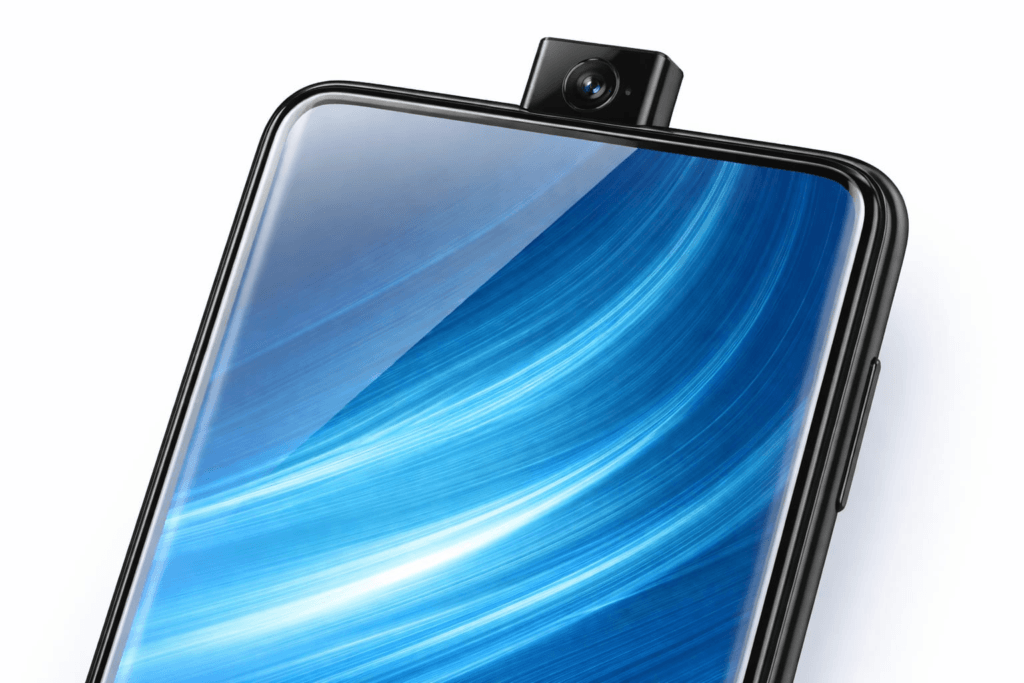
Pop-up camera phones introduced a display structure where the entire front surface remains active and uniform.
This guide explains why this structure matters for tempered glass selection, how correct glass coverage protects such displays, and why the same logic remains relevant as the industry moves toward future full-display designs.
✅ Quick Compatibility Check (Read Before Proceeding)
Use this section to confirm whether this guide applies to your phone.
✔️ Your phone has no front camera cut inside the display
✔️ The front camera is mechanically hidden (pop-up mechanism)
✔️ The display surface is visually uninterrupted from top to bottom
❌ Your phone has any visible camera cut, notch, pill, or hole
❌ Sensors are exposed within the display surface
👉 If all ✔️ apply → Continue reading this page
👉 If any ❌ apply → Choose the correct display guide below
🔀 Navigation Shortcut (Avoid Confusion)
This page applies only to pop-up camera and true full-display phones.
If your phone uses a different display structure, move directly to the correct guide:
- Punch-Hole / Hole-Punch → Punch-Hole Display Tempered Glass
- Dynamic Island → Dynamic Island Tempered Glass
- Waterdrop / Infinity-U → Waterdrop Display Tempered Glass
- Wide Notch → Wide Notch Display Tempered Glass
- Classic Bezel → Classic Bezel Tempered Glass
📌 Each display type follows its own protection logic.
Using the wrong logic causes fitting problems, not better protection.
Understanding Pop-Up Camera Display Design
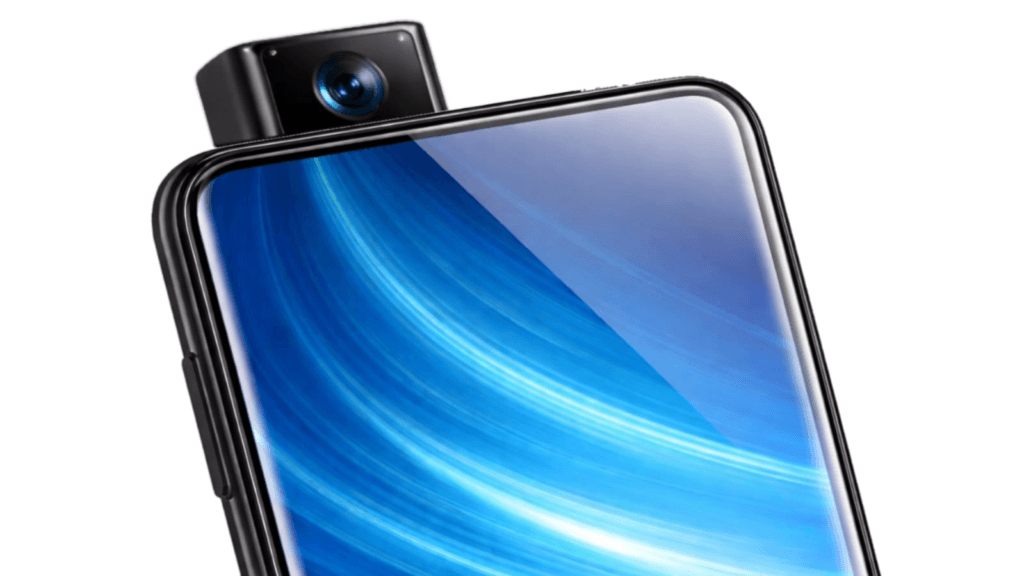
Pop-up camera phones were designed to eliminate permanent front-camera interruptions.
Instead of cutting into the display, the camera module rises mechanically only when needed.
Key structural characteristics:
- No camera cut inside the display
- Continuous glass surface across the entire screen
- Sensors positioned outside the visible display area
- Flat or gently curved edge geometry depending on model
📌 This design removes camera-cut decisions — not display-fit decisions.
Why Pop-Up Displays Changed Screen Protection Logic
Traditional displays require glass decisions based on camera placement.
Pop-up displays remove that requirement entirely.
However, the absence of a camera cut does not mean:
- all glasses fit equally
- size alone decides compatibility
- edge behavior can be ignored
Instead, protection logic shifts toward:
- uniform coverage
- edge pressure balance
- long-term stability across the full surface
Continuous Display Coverage: What Actually Matters
For pop-up camera phones, tempered glass performance depends on:
1️⃣ Edge Geometry
Glass must follow the display’s edge profile precisely.
Poor edge finishing leads to:
- corner lifting
- pressure cracks
- discomfort during swipe gestures
2️⃣ Bezel & Frame Relationship
Even without a camera cut, bezel thickness affects how glass settles.
Incorrect width tolerance can cause delayed lifting after installation.
3️⃣ Adhesive Distribution
Uniform adhesive is critical on full-display phones.
Uneven gum creates:
- halo effects
- touch inconsistency
- early peeling
📌 These factors decide success — not the absence of a camera cut.
Market Reality: Why Pop-Up Phones Still Matter
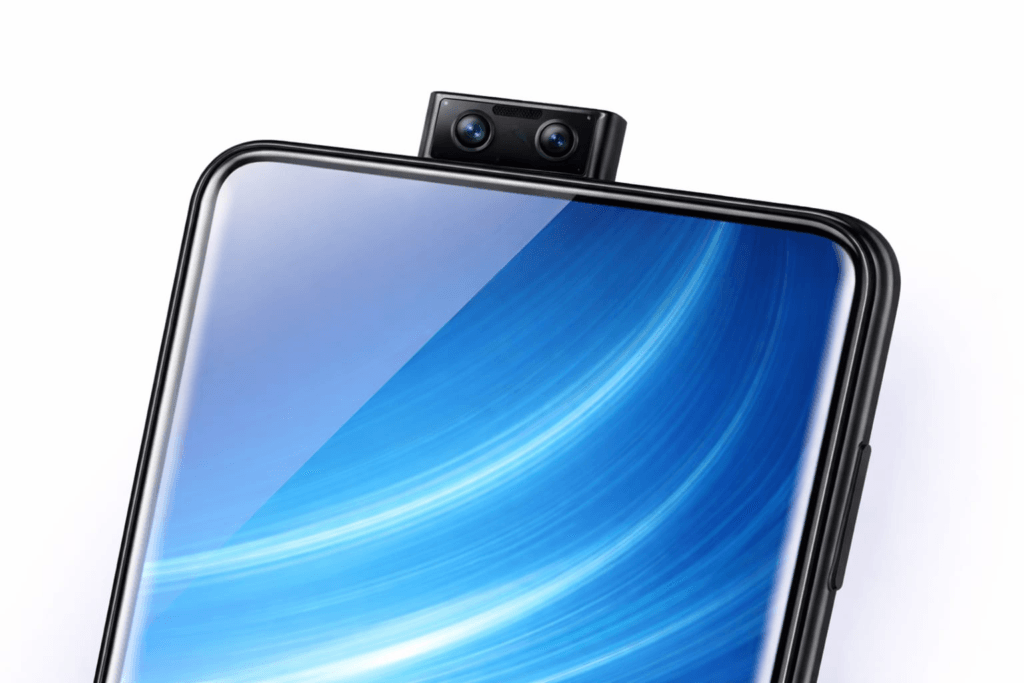
Pop-up camera phones did not become a mass-market standard.
Mechanical complexity, cost, and long-term durability limited large-scale adoption.
However, their importance lies elsewhere.
📌 Pop-up phones proved that:
- users value uninterrupted displays
- full-screen interaction is desirable
- removing display cuts improves visual experience
This design direction directly influenced industry research into:
- under-display cameras
- hidden sensor integration
- true edge-to-edge screens
The protection logic remains the same.
From Pop-Up to Under-Display Camera: Why This Glass Logic Is Future-Safe
Upcoming display technologies aim to:
- eliminate visible camera openings
- keep the display surface continuous
- preserve full visual symmetry
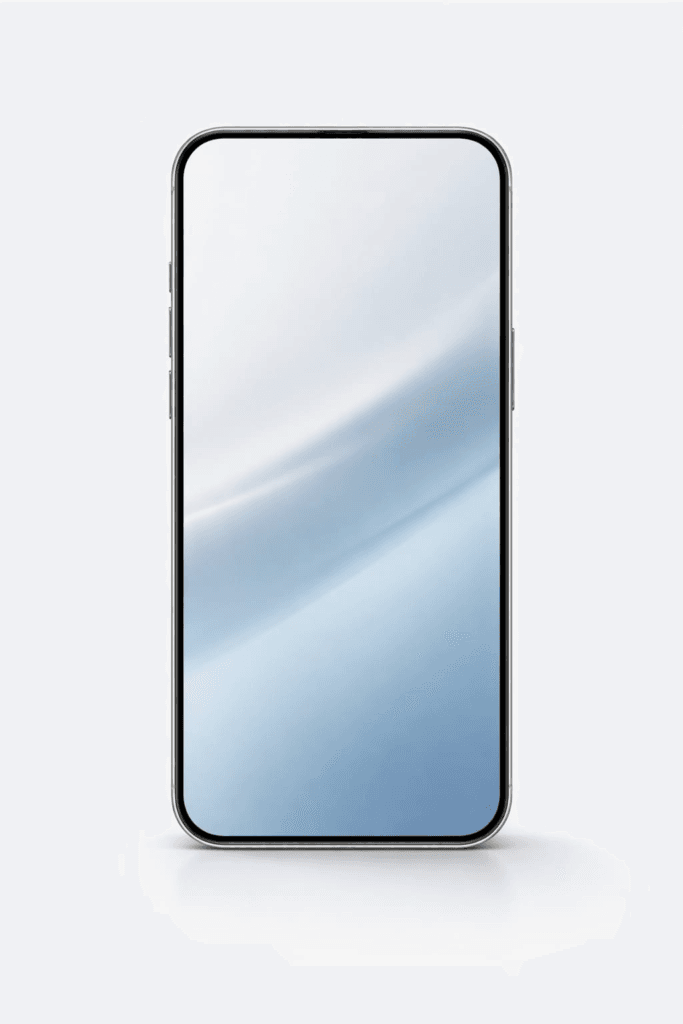
When this happens:
- camera-cut decisions disappear
- full-display protection logic remains
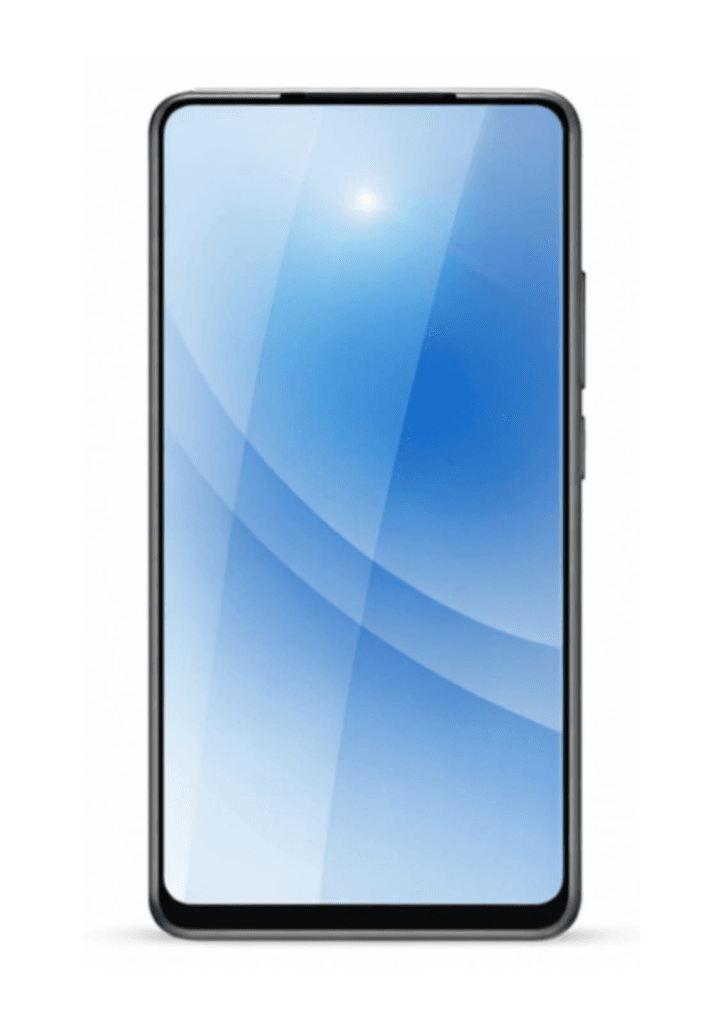
📌 Tempered glass designed for pop-up camera phones already follows this logic:
continuous coverage, structural balance, and edge precision.
This makes the principles in this guide future-relevant, not obsolete.
Manufacturing Quality Becomes the Deciding Factor
When camera cuts are removed, glass quality becomes more visible.
What matters most:
- Edge finishing accuracy
- Flatness consistency
- Adhesive uniformity
- Reliable tempering strength
Two glasses with the same size can behave very differently over time.
📌 “Good quality” means predictable behavior — not just brand recognition.
Replacement Cycle & Practical Use
Tempered glass is a protective layer, not permanent hardware.
Recommended replacement:
- Every 120–150 days, or
- Immediately after cracks, lifting, or edge damage
Using worn glass reduces impact absorption and increases display risk.
🔍 Pro Tip: How Compatibility Is Decided Here
For pop-up camera and full-display phones, compatibility depends on:
1️⃣ Display structure
2️⃣ Edge and bezel geometry
3️⃣ Fit behavior under daily handling
4️⃣ Manufacturing quality
—not on trends, naming, or assumptions.
For the universal logic behind all display types, refer to the Tempered Glass Gold Guide.
This page applies those principles specifically to full-display phones.
As UDC (Under-Display Camera) technology matures, the industry moves closer to smartphones with a genuinely uninterrupted full-display experience.
🔎 Find Your Mobile Model (Pop-Up Camera Display)
Use the live search below to locate the correct tempered glass for your phone.
(Search prioritizes display structure and fit behavior — not just diagonal size.)
Note for Users: Some Pop‑up camera display phone’s No‑Cut tempered glass boxes may also be compatible with Punch-Hole display mobiles.
Trader / Business Reminder: Model post above are for reference and stock verification only, listed as mentioned on the box. Always confirm the actual device design and camera placement before selecting tempered glass.
Who This Guide Helps
👤 End Users
- Enjoy uninterrupted display protection
- Reduce repeat replacements
🏪 Retailers
- Explain full-display logic clearly
- Reduce post-sale issues
🔧 Repair Technicians
- Install with confidence
- Avoid near-fit shortcuts
📦 Wholesalers
- Stock future-relevant glass variants
- Reduce dead or disputed inventory